
Portugal Travel Guide: Hidden Gems, First-Time Tips, and Custom Trip Planning Advice
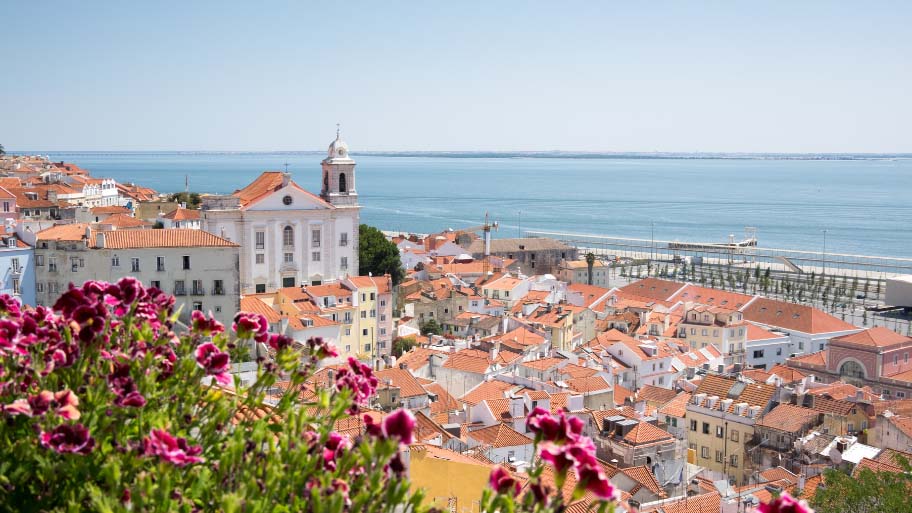


Planning a trip to Portugal?
With so many incredible places to visit, from Lisbon and Porto to the Douro Valley, the Algarve, and lesser-known hidden gems, it can be difficult to know where to start.
In this Portugal travel guide, we’ll share some of the country’s top destinations, practical planning tips, itinerary ideas, and a few hidden gems that many travelers miss.
At Allied Travel in Johnston, IA, we’ve been helping travelers plan unforgettable vacations for more than 25 years.
Drawing on decades of experience in the travel industry, including insights from owner Dean Burtch, we’ve created this guide to help you get more out of your Portugal experience.
What You’ll Find in This Portugal Travel Guide
Why Portugal Is Worth Planning Carefully
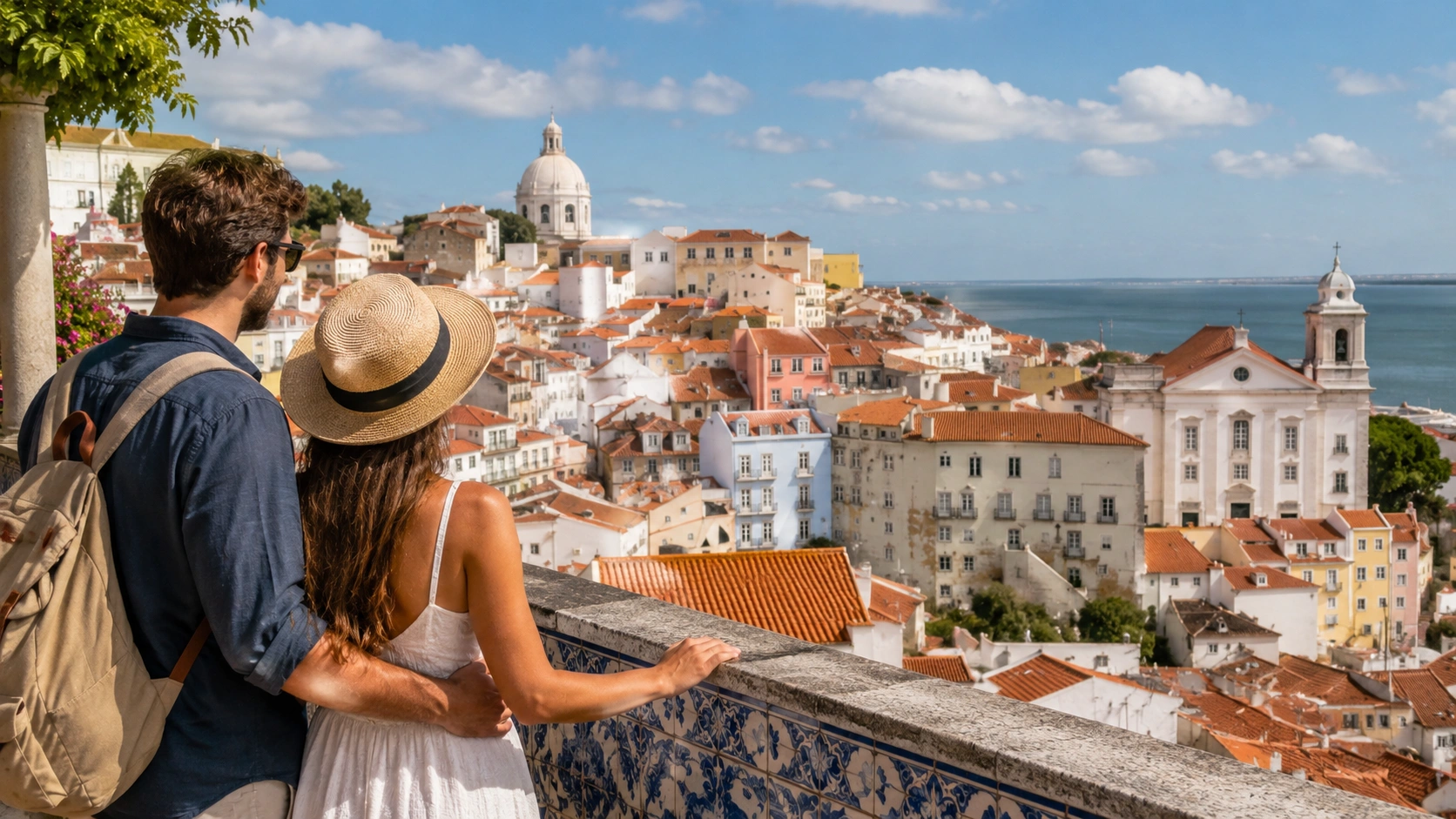
One of the biggest mistakes travelers make is trying to see too much of Portugal in a single trip. While the country is relatively small, there is a lot more to see than just Lisbon and Porto.
Many visitors spend their entire vacation in Portugal’s two largest cities and miss destinations like the Douro Valley, the Algarve, Óbidos, Nazaré, Évora, and the Azores. Each offers a different experience and may be a better fit depending on what you want from your trip.
Before building your itinerary, it’s worth deciding which destinations and experiences matter most to you. That can help you make better use of your time and avoid turning your vacation into a series of rushed hotel check-ins and long travel days.
Top Destinations in Portugal for Those Visiting for the First Time
If it’s your first trip to Portugal, these are some of the destinations we most often recommend.
Together, they provide a good mix of history, culture, scenery, food, and local experiences.
Lisbon
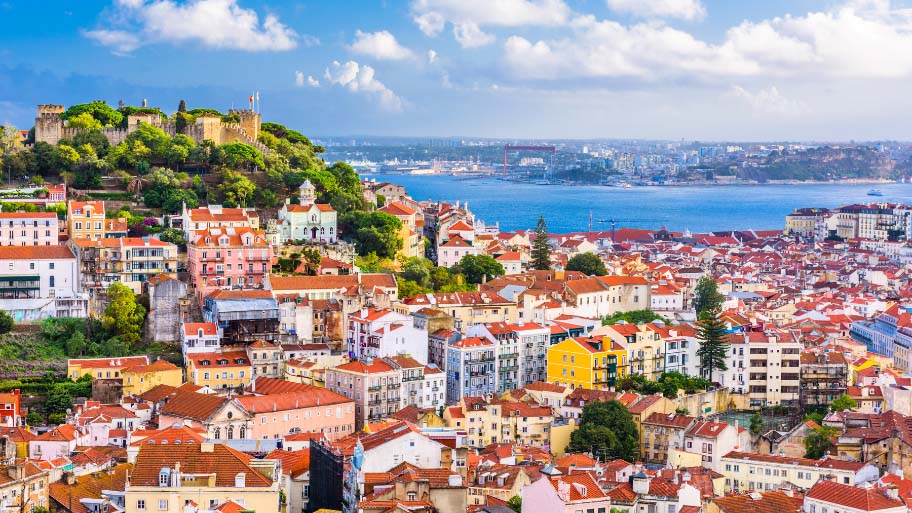
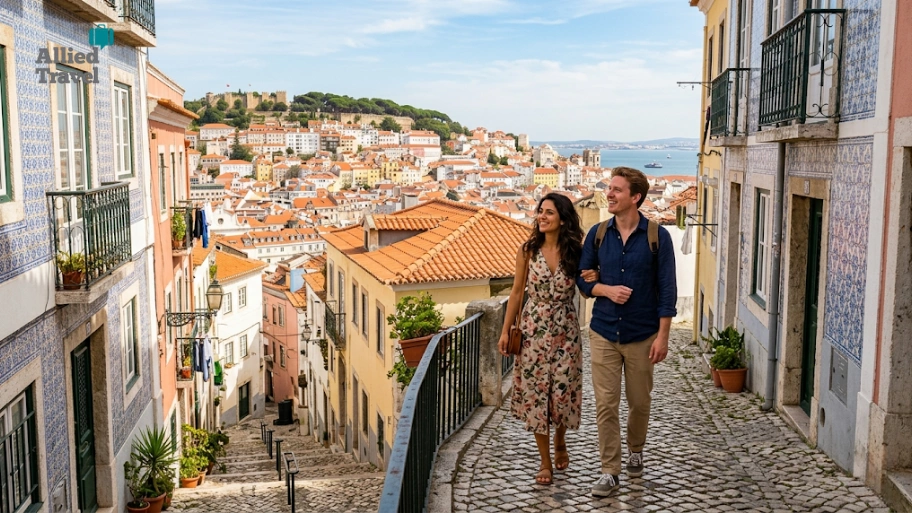
Most first-time visitors begin their Portugal trip in Lisbon. The capital city boasts historic neighborhoods, breathtaking hilltop viewpoints, traditional Fado music, and iconic landmarks like Belém Tower and São Jorge Castle.
Plan to spend at least two or three days exploring areas like Alfama and Belém, sampling local dishes, and getting a feel for Portugal’s culture and history before moving on to other regions.
Porto
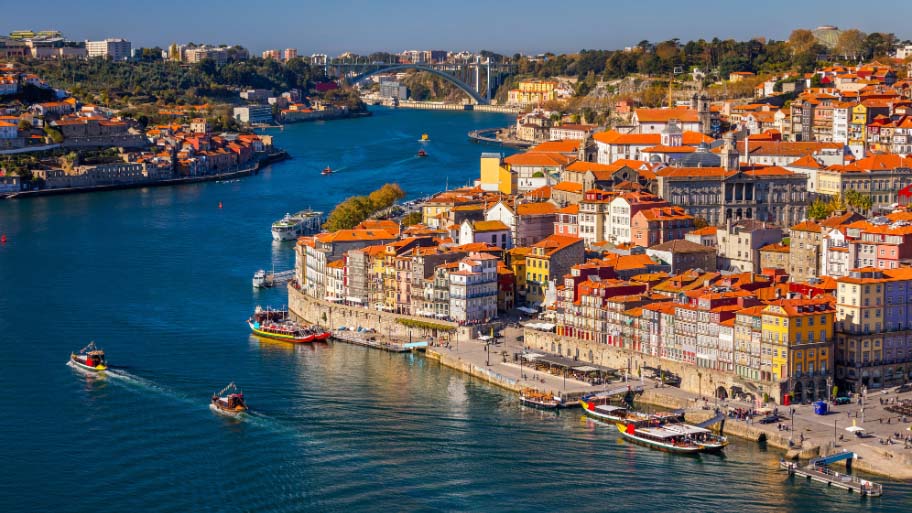
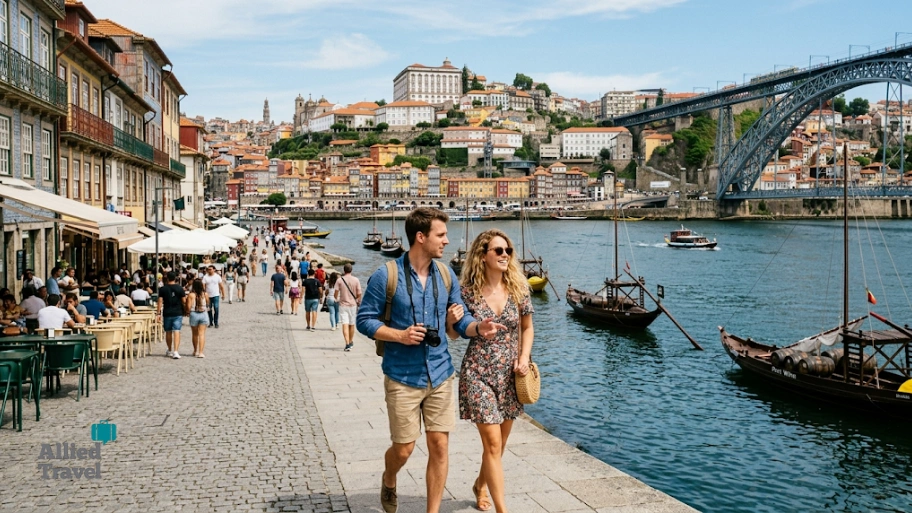
Located in northern Portugal, Porto offers a different experience than Lisbon. The city is famous for its riverside Ribeira district, historic architecture, and world-renowned port wine cellars across the Douro River in Vila Nova de Gaia.
Don’t miss São Bento Station, the Porto Cathedral, and a walk along the waterfront. Porto is also a great base for exploring the Douro Valley.
Algarve
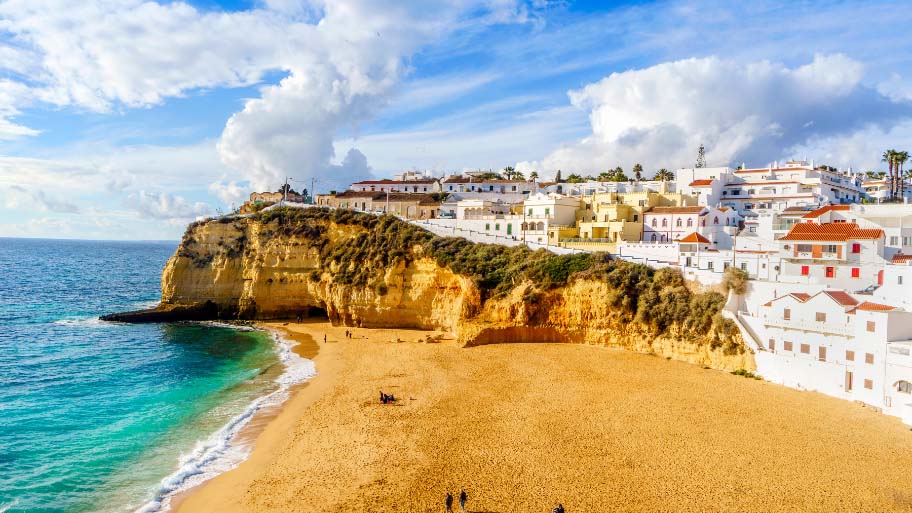
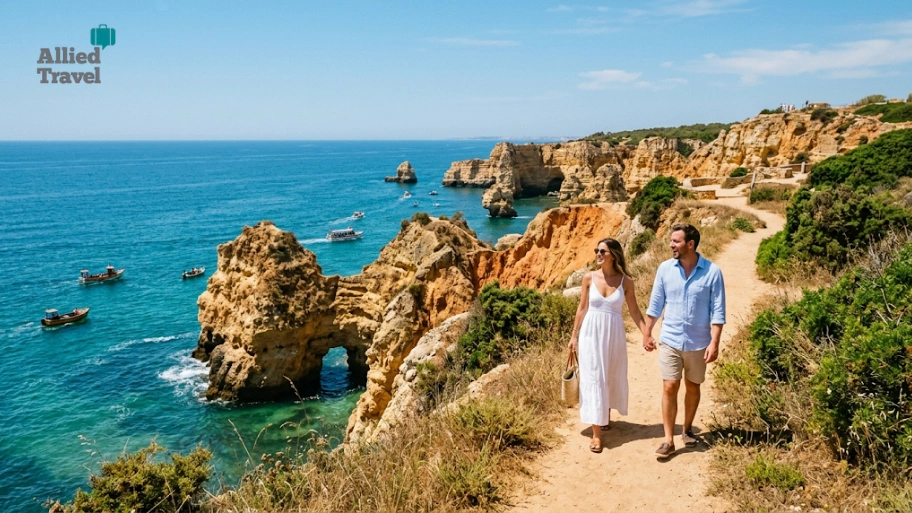
The Algarve is Portugal’s most popular beach destination. Known for its golden cliffs, sea caves, and coastal towns, it’s a favorite for travelers looking to slow down and enjoy the coastline.
Many visitors choose Lagos as a base because of its beaches, walkable town center, and easy access to scenic spots like Ponta da Piedade.
Douro Valley
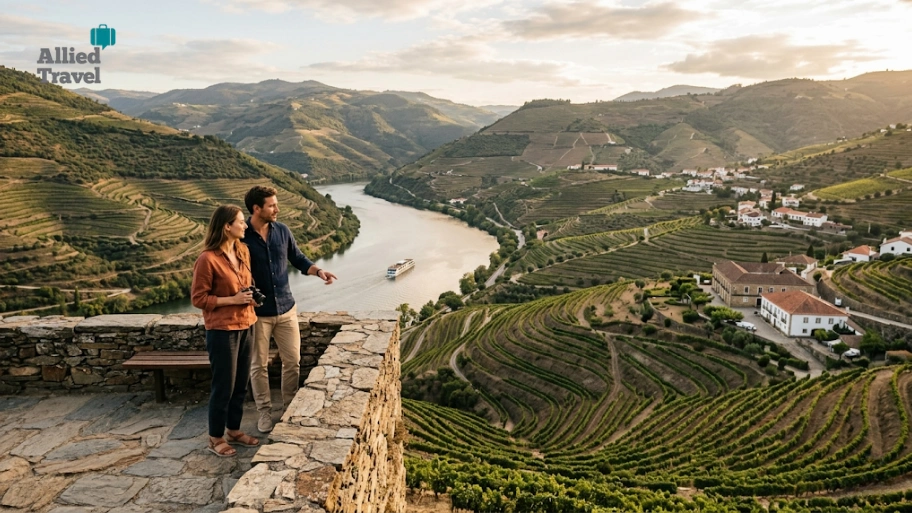
If you enjoy wine, scenic drives, or river views, the Douro Valley is worth adding to your itinerary. This region is home to terraced vineyards, small wine estates, and some of Portugal’s most beautiful landscapes.
Many travelers visit on a day trip from Porto, while others stay overnight to experience the area at a slower pace. River cruises through the valley are also a popular option.
Sintra
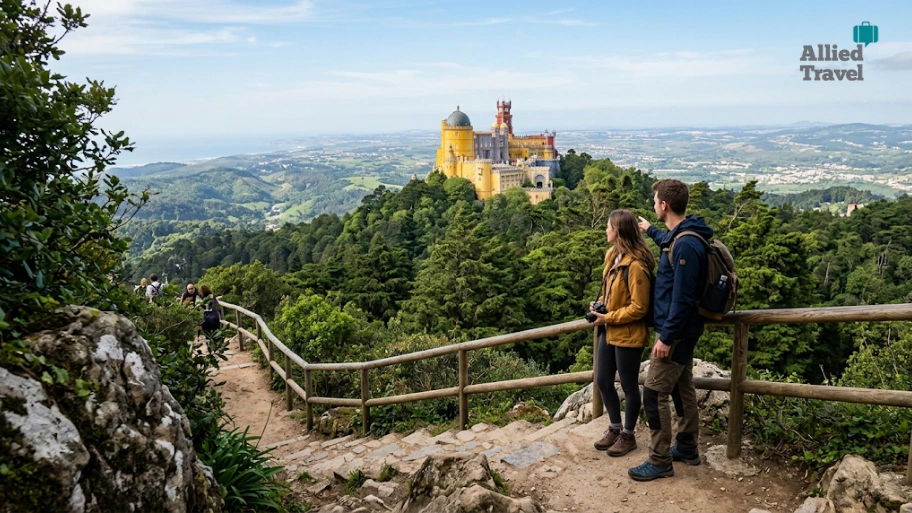
Sintra is a fun place to visit. It’s less than an hour from Lisbon. The town is known for colorful palaces, historic estates, and forested hills that feel completely different from the capital city.
Most visitors come to see Pena Palace and Quinta da Regaleira, but it’s worth arriving early and allowing a full day to explore the area without rushing.
Hidden Gems in Portugal Worth Adding to Your Itinerary
While Lisbon, Porto, and the Algarve attract most visitors, some of Portugal’s most memorable destinations are found away from the country’s busiest tourist areas.
If you have extra time in your itinerary, consider adding one or more of these lesser-known destinations.
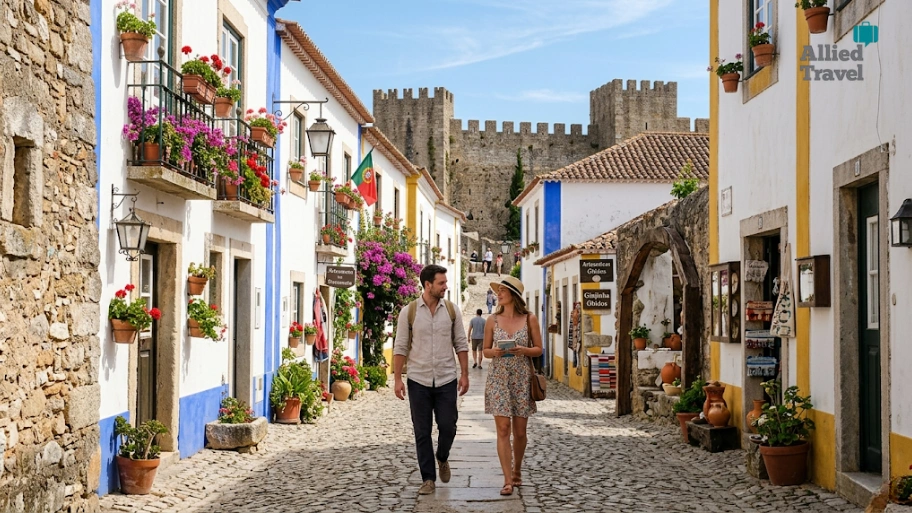
Óbidos
Óbidos is a small medieval town surrounded by well-preserved stone walls. Its narrow streets, whitewashed buildings, and historic atmosphere make it one of Portugal’s most charming destinations.
The town is easy to visit as a day trip and is especially popular with travelers looking for a quieter experience outside Portugal’s larger cities.
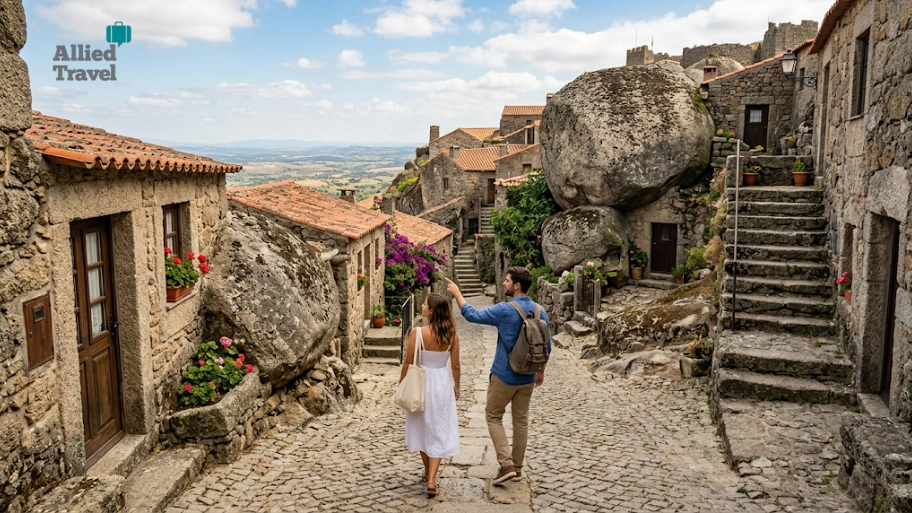
Monsanto
Often called one of Portugal’s most unique villages, Monsanto is known for its massive granite boulders and traditional stone homes built around them. Walking through the village feels like stepping back in time.
It’s a great choice for travelers interested in rural Portugal and destinations that feel very different from the country’s major tourist centers.
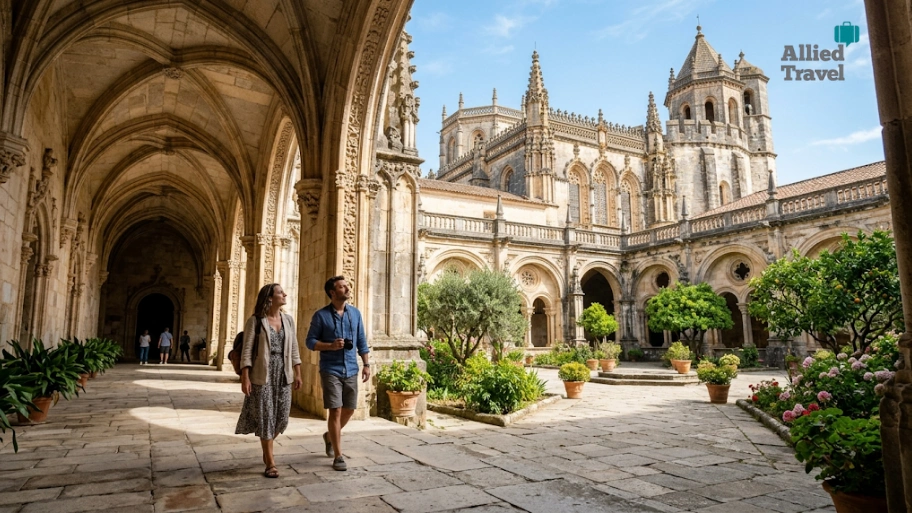
Tomar
Tomar is best known for the Convent of Christ, one of Portugal’s most important historic landmarks and a former headquarters of the Knights Templar.
In addition to its history, Tomar offers a relaxed atmosphere, walkable streets, and fewer crowds than many of Portugal’s more popular destinations.

Coimbra
Home to one of Europe’s oldest universities, Coimbra combines history, culture, and local character.
The city’s university remains one of its main attractions, but visitors will also find historic churches, scenic viewpoints, and a lively atmosphere shaped by its student population.
Coimbra works particularly well as a stop between Lisbon and Porto.
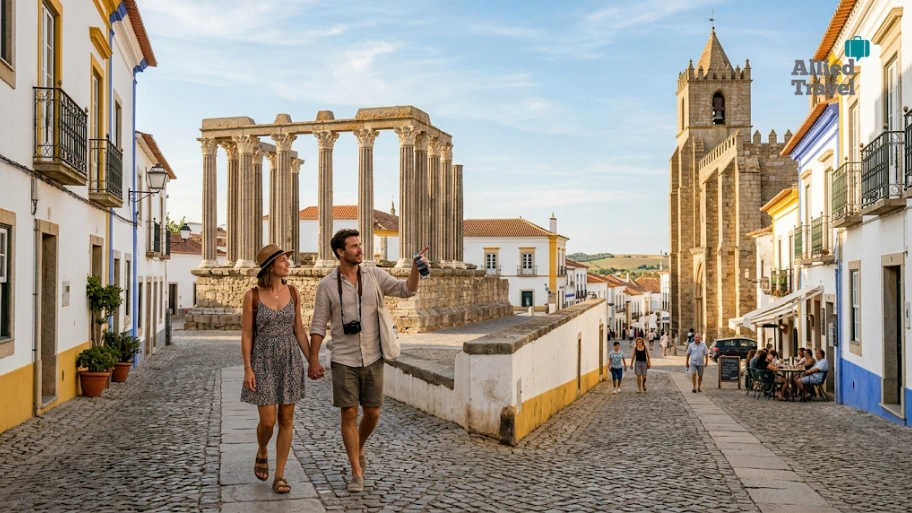
Évora
Located in the Alentejo region, Évora is known for its Roman ruins, historic center, and slower pace of life.
This place is great for people who like history and local culture. It’s good for exploring parts of Portugal that are not just the big cities.
The surrounding Alentejo region is also known for its wineries, countryside scenery, and traditional Portuguese charm.
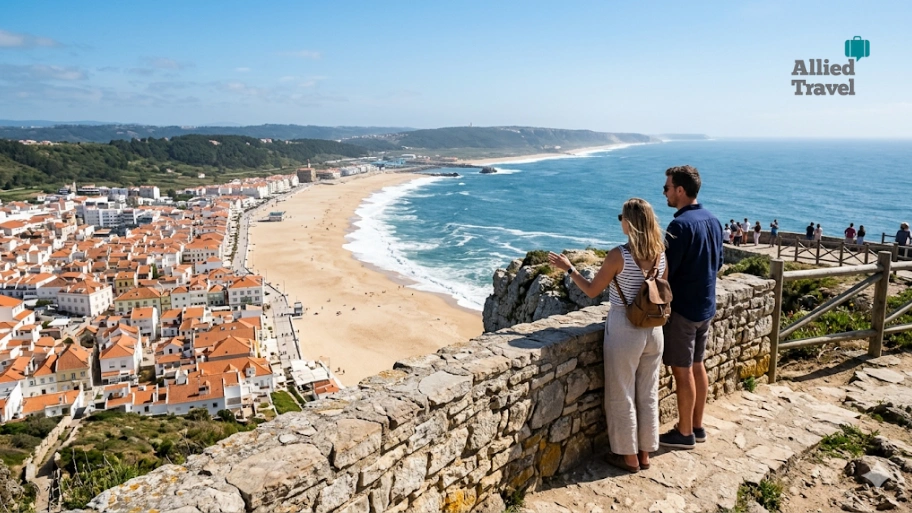
Nazaré
Nazaré is a coastal town that gained international attention for its massive waves and world-class surfing.
Even outside surf season, it’s worth visiting for its dramatic ocean views, sandy beaches, and traditional fishing heritage.
Travelers looking for a scenic stop along Portugal’s Atlantic coast often find Nazaré to be one of the country’s most memorable destinations.
Portugal Travel Advisor Tips Most Visitors Miss
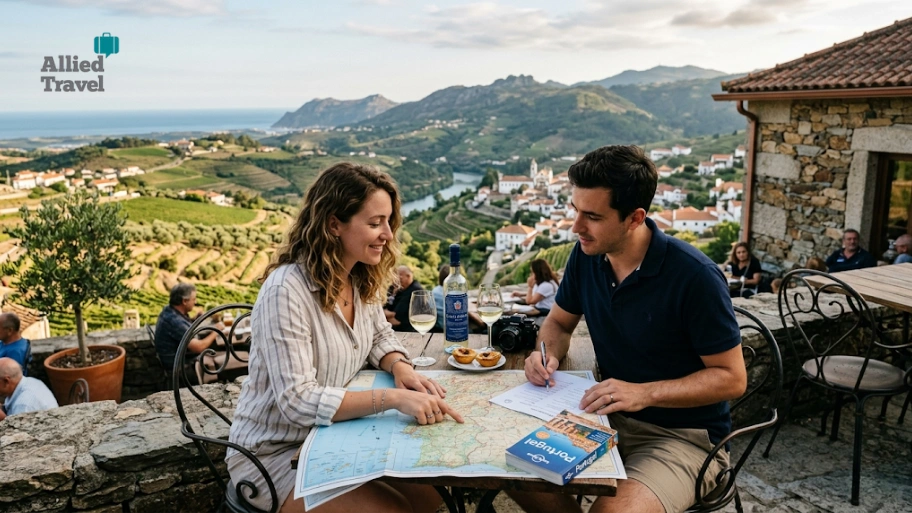
After helping travelers plan vacations for more than 25 years, we’ve noticed a few common planning mistakes that can affect the overall experience.
#1. Don’t try to see everything in one trip.
Portugal looks small on a map, but it has a lot to see and do for vacations. Trying to visit too many destinations often means spending more time traveling and less time enjoying each place.
#2. Pair Lisbon with Sintra.
Many first-time visitors try to pack several day trips into their Lisbon stay. In most cases, combining Lisbon with a full day in Sintra provides a more relaxed and rewarding experience.
#3. Give Porto and the Douro Valley enough time.
Porto deserves more than a quick overnight stop, and the Douro Valley is best enjoyed at a slower pace. If your schedule allows, consider spending a night in the region rather than treating it as a rushed day trip.
#4. Slow down in the Algarve.
The Algarve isn’t just about checking off beaches and viewpoints. Leaving time to enjoy the coastline, local restaurants, and smaller towns often creates a more memorable experience.
#5. Use rental cars strategically.
Lisbon and Porto have reliable public transportation, so a rental car is often unnecessary in the cities. However, it can be extremely useful when exploring rural areas, wine regions, and some of Portugal’s hidden gems.
#6. Consider spring or fall travel.
Many people like to travel in spring or fall instead of summer. These seasons have nice weather, fewer people, and it’s easier to enjoy fun places.
Sample Portugal Itineraries
Every traveler has different interests and priorities, but these sample itineraries can help you start thinking about how to structure your trip.
7-Day Portugal Itinerary
A week in Portugal allows you to experience some of the country’s most popular destinations without feeling overly rushed.
Suggested route:
This itinerary works well for travelers who want a mix of history, culture, food, and scenery while focusing on Portugal’s most visited regions.
10-Day Portugal Itinerary
With 10 days, you can explore beyond Lisbon and Porto while still maintaining a comfortable pace.
Suggested route:
This itinerary allows more time to experience Portugal’s wine regions, coastline, and smaller destinations without feeling rushed.
Portugal for a Slower, More Relaxed Trip
Not every Portugal vacation needs to focus on seeing as many destinations as possible. Some travelers prefer fewer hotel changes and more time to enjoy each location.
Suggested route:
For travelers with additional time, Madeira or the Azores can also be excellent additions. This style of itinerary is ideal for couples, food and wine enthusiasts, and travelers looking for a more relaxed pace.
Best Time to Visit Portugal
You can visit Portugal any time, but the best time to go depends on what you want to do there.
Best time for beaches: June through September typically offers the warmest weather and best beach conditions, particularly in the Algarve.
Best time for wine travel: September and October are excellent months to visit regions like the Douro Valley and Alentejo, when vineyard activity and harvest season are underway.
Best time for fewer crowds: Spring and fall often provide the best balance of comfortable weather, manageable crowds, and good availability at popular attractions and accommodations.
Portugal by Travel Style
One of the best ways to plan a Portugal itinerary is to start with the type of experience you want most. While many first-time visitors focus on destinations, choosing a travel style first can make it easier to decide where to spend your time.
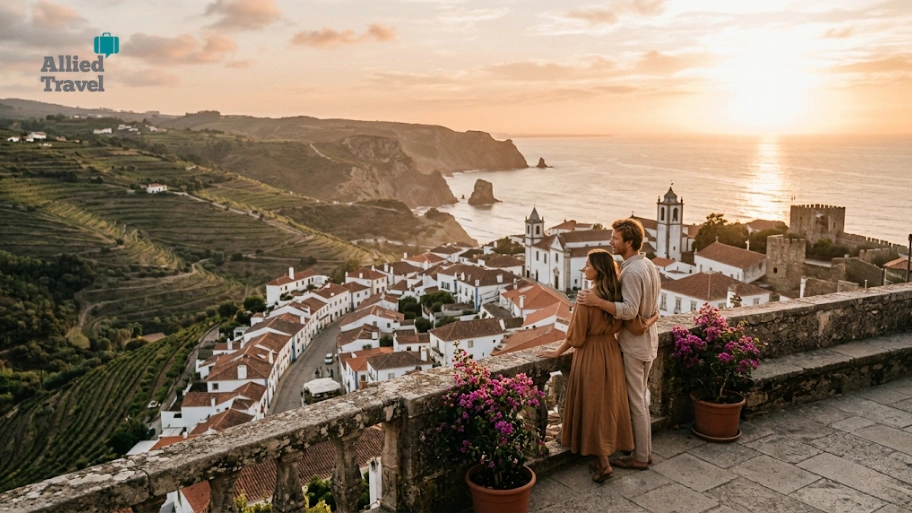
For Couples
Portugal is a popular destination for couples because it offers a mix of scenic coastlines, historic cities, wine regions, and boutique accommodations. Many couples choose to combine Lisbon or Porto with the Douro Valley or the Algarve to balance sightseeing with relaxation.
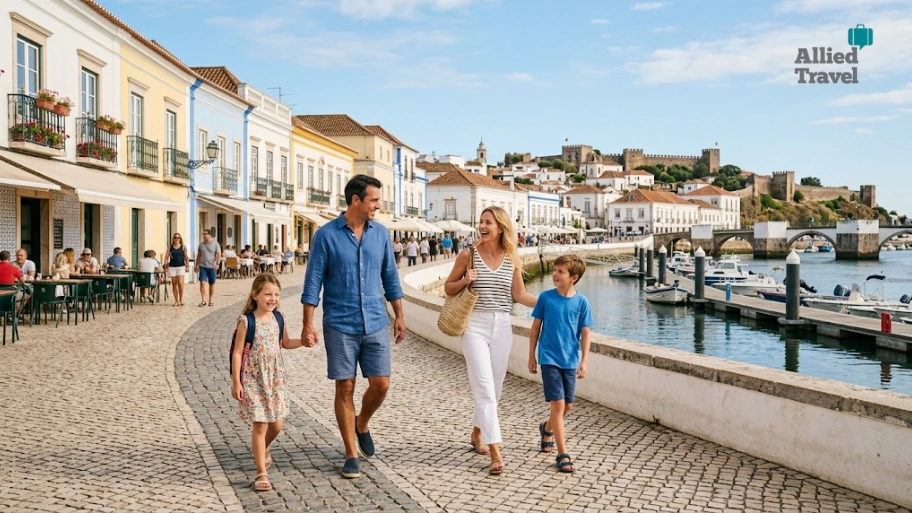
For Families
Families have more fun when they stay in fewer hotels and explore a few places. Lisbon, Porto, and the Algarve are common choices because they offer a combination of beaches, attractions, walkable areas, and family-friendly activities.
For Food and Wine Travelers
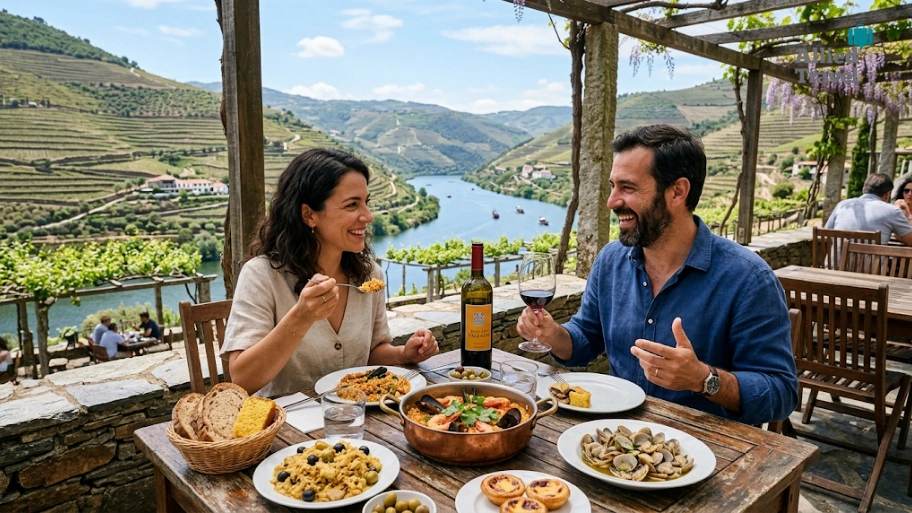
If food and wine are a priority, consider building your itinerary around regional experiences rather than major landmarks.
Time in Porto, the Douro Valley, and local markets throughout the country can provide opportunities to experience Portugal’s wine culture, seafood, pastries, and traditional cuisine.
For Outdoor Travelers
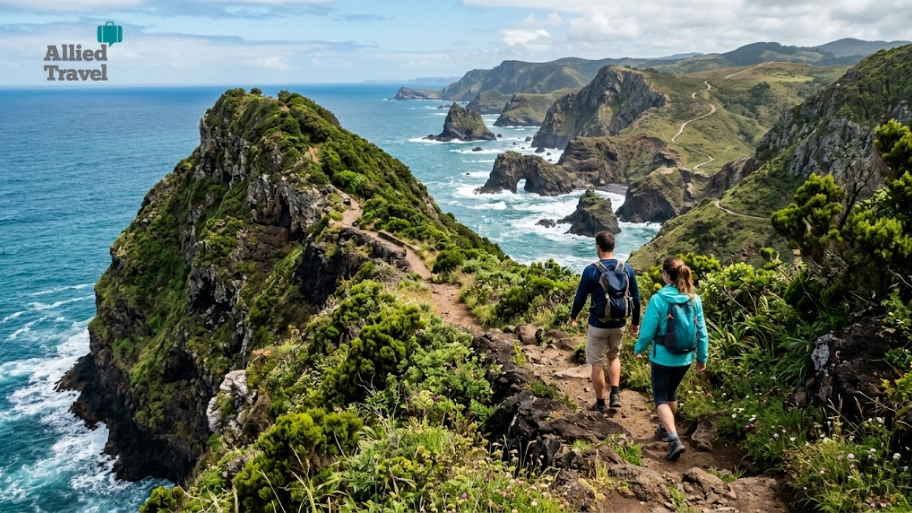
Outdoor-focused itineraries often look very different from traditional sightseeing trips. Rather than spending most of your time in cities, consider destinations such as Madeira, the Azores, coastal hiking areas, surf towns, or regions known for scenic drives and nature experiences.
For History and Culture Lovers
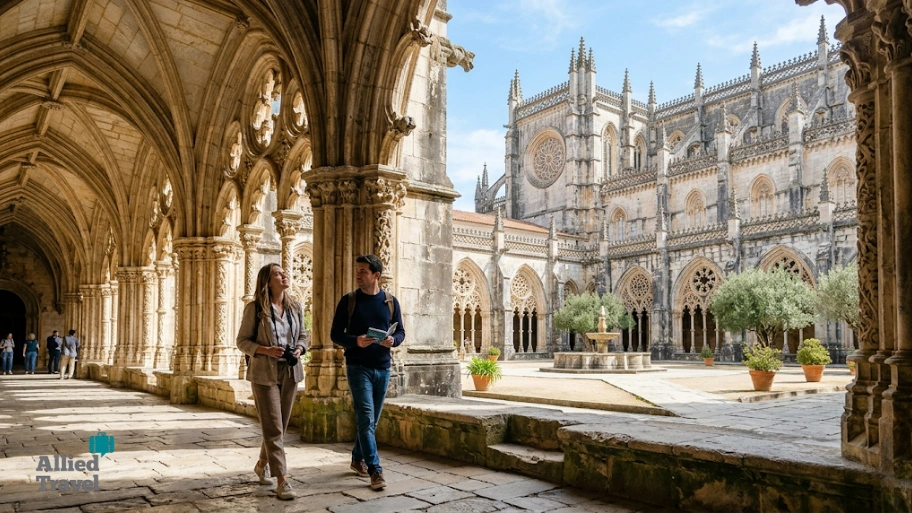
Travelers interested in Portugal’s history often benefit from slowing down and spending more time exploring historic districts, monasteries, castles, and UNESCO World Heritage Sites.
Combining cities like Lisbon and Porto with destinations such as Tomar, Coimbra, Batalha, or Évora can provide a broader look at Portugal’s cultural heritage.
Practical Portugal Travel Tips
You can visit Portugal any time, but the best time to go depends on what you want to do there.
Common Portugal Travel Mistakes to Avoid
Even well-planned Portugal vacations can be affected by a few common mistakes that many first-time visitors don’t realize until they’re already on their trip.
#1. Assuming every destination feels the same.
Portugal offers a wide range of experiences, from major cities and beach towns to wine regions and rural villages.
Travelers often enjoy their trip more when they choose destinations that match their interests rather than simply following a list of popular places.
#2. Not allowing enough time for major attractions.
Popular sites such as Pena Palace, Quinta da Regaleira, Jerónimos Monastery, and the Douro Valley often take longer to fully enjoy than many travelers expect.
#3. Underestimating how hilly some cities are.
Lisbon in particular is known for its steep streets and hills. Wearing comfy walking shoes helps a lot when you go on a trip. They make it easier to walk.
#4. Planning every day around major landmarks.
Some travelers focus so heavily on attractions that they leave little time for local restaurants, neighborhood walks, markets, or simply enjoying the atmosphere that makes Portugal unique.
#5. Not researching local holidays and events.
Festivals, public holidays, and local celebrations can be some of the most memorable parts of a trip, but they may also affect business hours, transportation schedules, and attraction availability.
#6. Overlooking regional food specialties.
Portugal’s cuisine varies from region to region. Travelers who only stick to familiar menu options often miss some of the country’s most memorable dining experiences.
#7. Booking a trip without a clear priority.
Portugal offers history, beaches, wine regions, outdoor adventures, food experiences, and cultural attractions. Knowing which of these matters most to you can make planning much easier and often leads to a more enjoyable trip.
How Allied Travel Helps Plan a Custom Portugal Trip
Planning a trip to Portugal can involve a lot of decisions, from choosing the right destinations to deciding how much time to spend in each location. That’s where working with a travel advisor can help.
At Allied Travel in Johnston, IA, we’ve been helping travelers plan vacations for more than 25 years.
Whether you’re looking for a first-time Portugal itinerary, a food and wine experience, a coastal getaway, or a combination of destinations, we can help you put the pieces together.
We can assist with:
Owner Dean Burtch and our team work with travelers every day to help make the planning process easier.
Instead of spending hours trying to figure everything out yourself, you can work with an experienced travel advisor who can help you make informed decisions and get more out of your trip.
Portugal Travel FAQs
How many days do you need for a Portugal trip?
Most travelers should plan for at least 7 to 10 days in Portugal. A week allows enough time to visit Lisbon, Porto, and nearby destinations like Sintra, while 10 days provides more flexibility to explore places such as the Douro Valley, Algarve, or Évora.
At Allied Travel in Johnston, IA, we often find that travelers enjoy Portugal more when they spend additional time in fewer destinations rather than trying to see the entire country in one trip.
What is the best time of year to visit Portugal?
The best times to visit Portugal are in spring, between March and May, and in fall, from September to November.
Travelers can enjoy comfortable temperatures, fewer crowds, and easier access to popular attractions compared to the busy summer season.
While summer remains popular for beach vacations, Allied Travel often helps Johnston-area travelers compare different travel seasons based on their interests, budget, and preferred travel pace before booking.
Is Portugal a good destination for first-time Europe travelers?
Yes. Portugal is often recommended for first-time Europe travelers because it offers a combination of historic cities, coastal scenery, great food, and a relatively easy travel experience.
English is widely spoken in many tourist areas, and Portugal's transportation network makes it simple to move between destinations.
Many travelers working with Allied Travel in Johnston, IA choose Portugal for their first European vacation because it provides a variety of experiences without requiring extensive travel between regions.
Should I visit Lisbon and Porto on my first trip to Portugal?
For most first-time visitors, the answer is yes. Lisbon and Porto offer many of Portugal's most famous landmarks, cultural attractions, food experiences, and historic neighborhoods.
However, one recommendation we frequently make at Allied Travel is to leave room in your itinerary for destinations beyond the two major cities.
Places like Sintra, the Douro Valley, Nazaré, and Évora often become some of the most memorable parts of a Portugal vacation.
What are some hidden gems in Portugal worth visiting?
Some of Portugal's most popular hidden gems include Óbidos, Tomar, Nazaré, Évora, Coimbra, and Monsanto.
These destinations offer a different perspective of Portugal beyond Lisbon and Porto and can provide a more relaxed travel experience.
When helping travelers plan Portugal vacations from Johnston, IA, Allied Travel often recommends selecting one or two lesser-known destinations that match your interests rather than trying to visit every major attraction in the country.
Do I need a rental car in Portugal?
Not always. Travelers visiting Lisbon, Porto, and other major cities can often rely on trains, buses, rideshares, and public transportation.
A rental car becomes more useful when exploring rural areas, wine regions, or smaller towns that may be less accessible by public transit.
At Allied Travel in Johnston, IA, we help travelers determine whether a rental car makes sense based on their itinerary rather than automatically recommending one for the entire trip.
Is Portugal expensive compared to other European destinations?
Portugal is often considered one of Western Europe's better-value destinations.
While costs vary by season and location, many travelers find that accommodations, dining, and transportation can be more affordable than in countries such as France, Switzerland, or the United Kingdom.
When planning Portugal vacations, Allied Travel helps Johnston-area travelers compare travel dates, destinations, and accommodation options to maximize value without sacrificing the overall experience.
What is the best Portugal itinerary for first-time visitors?
A common first-time itinerary includes Lisbon, Sintra, Porto, and the Douro Valley. Travelers with additional time may choose to add the Algarve, Évora, or other regions based on their interests.
Rather than focusing on how many places you can visit, Allied Travel often recommends building a Portugal itinerary around the experiences you want most, whether that's food and wine, history, beaches, culture, or outdoor activities.
Is Portugal safe for travelers?
Yes. Portugal is generally considered one of the safer destinations in Europe for international travelers.
As with any destination, visitors should stay aware of their surroundings, protect valuables, and take extra precautions in crowded tourist areas.
Most travelers experience Portugal without major issues, allowing them to focus on enjoying the country's culture, scenery, and attractions throughout their trip.
Should I use a travel advisor to plan a Portugal trip?
A travel advisor can help simplify the planning process, especially if you're visiting Portugal for the first time or combining multiple destinations into one itinerary.
For more than 25 years, Allied Travel in Johnston, IA has helped travelers plan customized vacations based on their interests, budget, and travel goals.
A travel advisor can help you plan your trip. They save you time and help you avoid making mistakes. They can also plan a trip that you will enjoy.

ABOUT THE AUTHOR
Dean Burtch, the esteemed Navigator In Chief of Allied Travel, has steered the company with dedication and vision for 36 years. His global adventures, spanning from the historic wonders of Cairo to the vibrant heart of New York City, reflect a rich tapestry of travel expertise. Dean’s signature journey, a captivating sail through the Virgin Islands, marks the pinnacle of his travel experiences. He is a staunch advocate for diving into the essence of local cultures and believes that the most unexpected challenges often forge the most memorable and cherished travel tales. Dean’s guidance is a beacon for travelers seeking authentic and transformative experiences.